The Best Foods to Accelerate Tissue Repair and Recovery
- The journey toward a complete “cure” does not end when you leave the hospital. In many ways, the real work of recovery begins at your dining table. While medical interventions set the stage for healing, your body requires specific biological fuel to rebuild itself physically. Choosing the proper nutrition for healing can be the difference between a sluggish, complicated recovery and a swift, vibrant return to health.
Tissue repair is a high-energy process. Whether the body is knitting together a surgical incision, repairing a muscle tear, or regenerating skin cells, it demands a significant increase in calories, proteins, and micronutrients. By focusing on specific functional foods, you can provide your cells with the raw materials needed to minimize scarring, reduce inflammation, and bolster your immune system. Here are the top five food groups that are essential for speeding up tissue repair.
1. Lean Proteins: The Building Blocks of New Tissue
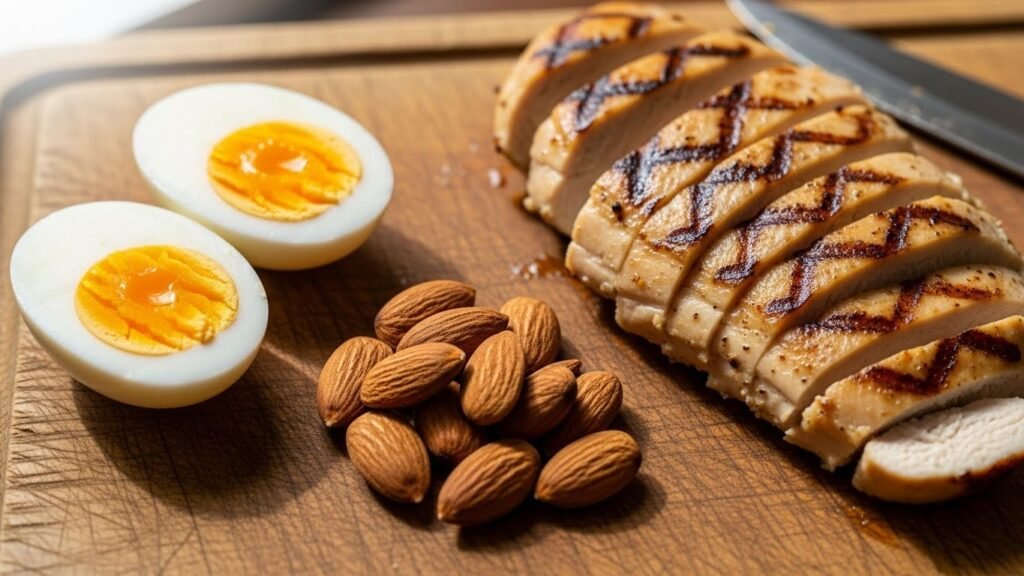
Protein is the most critical nutrient for healing. Every cell in your body is made of protein, and during recovery, your requirement for amino acids—the components of protein—skyrockets. These amino acids are used to create collagen, the primary structural protein in the skin and connective tissues.
If your protein intake is too low, the body may pull from its own muscle stores to repair a wound, leading to weakness and delayed healing.
- What to Eat: Chicken breast, turkey, eggs, and white fish are excellent lean animal sources.
- Plant-Based Options: For those who prefer a vegetarian approach, lentils, chickpeas, and organic soy are essential.
- The Goal: Aim for a palm-sized portion of protein at every meal to ensure a steady supply of amino acids throughout the day.
2. Berries and Citrus: The Vitamin C and Antioxidant Powerhouses
Vitamin C is often associated with immune health, but it is equally vital for tissue repair. It acts as a necessary cofactor in the synthesis of collagen. Without enough Vitamin C, the new tissue formed at a wound site will be weak and more likely to reopen.
Additionally, surgery and injury cause “oxidative stress” in the body. Antioxidants found in brightly colored fruits help neutralize the free radicals that can damage healthy cells.
- The Best Sources: Oranges, strawberries, kiwis, and bell peppers.
- Pro Tip: Berries, particularly blueberries and raspberries, contain anthocyanins, which help manage the inflammatory phase of healing, ensuring the “care” process doesn’t stall due to excessive swelling.
3. Leafy Greens: Vitamin K and Mineral Richness
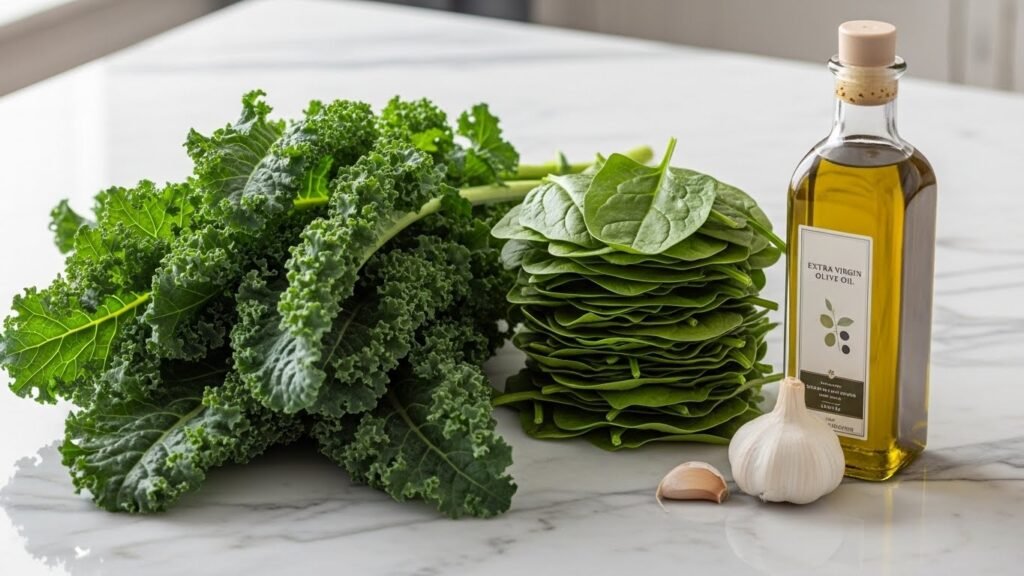
Dark, leafy greens like spinach, kale, and Swiss chard are nutritional heavyweights in the world of healing nutrition. They provide a unique combination of Vitamin K, essential for healthy blood clotting, and iron, which carries oxygen to the injury site.
Oxygen is the “fuel” that cells use to generate the energy required for repair. Low iron levels lead to poor oxygenation, which is a leading cause of slow-healing wounds.
- How to Prepare: Lightly sauté greens in healthy fats like olive oil to increase the absorption of fat-soluble vitamins.
- Added Benefit: Greens are also rich in magnesium, which can help relax muscles and improve sleep quality during the stressful recovery period.
4. Healthy Fats: Managing Inflammation
While some inflammation is a necessary first step in the healing process, chronic or excessive inflammation can damage new cells and prolong pain. Healthy fats, specifically Omega-3 fatty acids, help the body transition from the inflammatory phase to the repair phase.
Nutrition for healing should always include fats that support cell membrane integrity. Every new cell your body builds requires a lipid (fat) layer to function correctly.
- Omega-3 Sources: Wild-caught salmon, walnuts, flaxseeds, and chia seeds.
- Monounsaturated Fats: Avocados and olive oil provide the energy the body needs without the inflammatory markers found in highly processed vegetable oils.
5. Orange Vegetables: Beta-Carotene for Skin Growth
Vegetables with a deep orange hue are typically packed with beta-carotene, which the body converts into Vitamin A. This vitamin is essential for “epithelialization”—the process of growing new skin over a wound.
Vitamin A also helps regulate the immune system’s response, preventing infections that could derail the “cure” provided by your medical team.
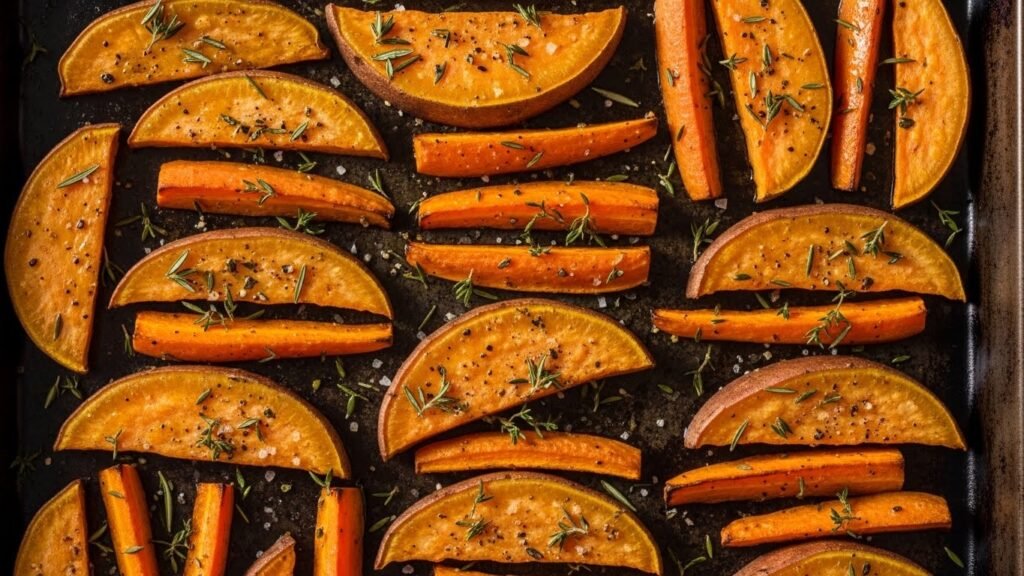
- Top Picks: Sweet potatoes, carrots, and butternut squash.
- Cooking Tip: Roasting these vegetables with a small amount of healthy fat helps the body convert beta-carotene into Vitamin A more efficiently.
The Role of Hydration in Tissue Repair
No discussion of nutrition for healing is complete without mentioning water. Water is the primary medium for transporting nutrients to your cells and removing metabolic waste products from the wound site.
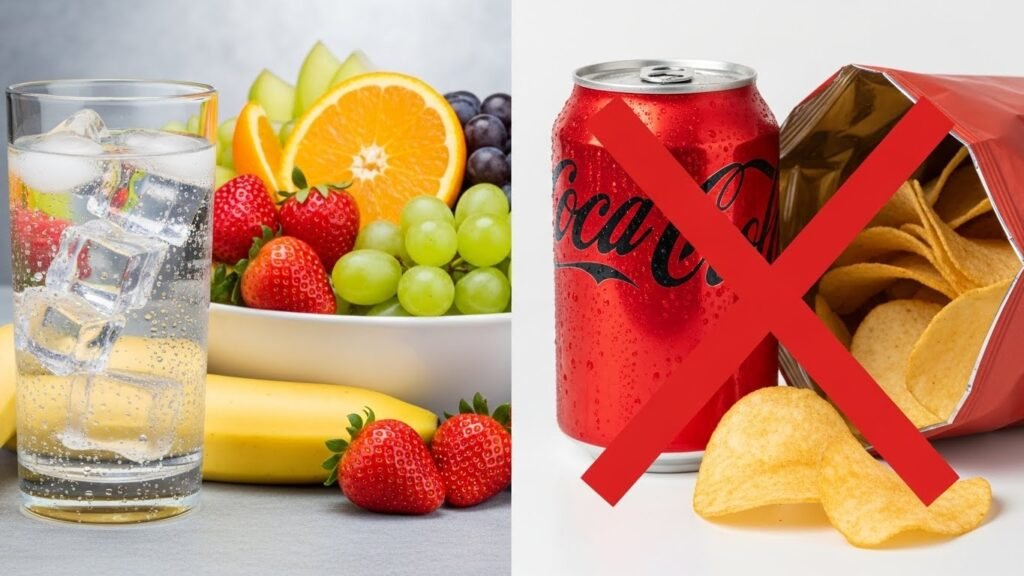
Even mild dehydration can make the skin less elastic and more fragile. If you are taking pain medications, extra hydration is also necessary to support kidney and liver function as they process these drugs. Aim for clear or pale-yellow urine as a sign of adequate hydration.
Common Nutritional Mistakes During Recovery
- Skipping Meals: Even if your appetite is low, your body needs calories to heal. Try small, frequent snacks if full meals are difficult.
- Excessive Sugar: High blood sugar levels can stiffen the arteries and reduce blood flow to the wound, significantly slowing down the repair process.
- Relying on “Empty” Calories: Processed snacks and sodas provide energy but zero “care” for your cells. Focus on nutrient density.
Practical Meal Prepping for Healing
When you are in the “care” phase, you may not have the energy to cook. Prepping your nutrition for healing before a scheduled surgery or during a period of wellness is a smart advocacy move.
- Freeze Protein Portions: Pre-cook chicken or beans, then freeze in single-serve portions.
- Stock the Pantry: Keep walnuts, pumpkin seeds (rich in zinc), and canned salmon on hand.
- Pre-Cut Veggies: Having carrots and peppers ready to eat makes it easier to choose a healthy snack over a processed one.

When to Consider Supplements
While “whole foods first” is the golden rule, some patients may need a temporary boost from supplements.
- Zinc: Crucial for DNA synthesis and cell division.
- Arginine and Glutamine: Specific amino acids that are sometimes recommended for major surgical wounds.
- Probiotics: Essential if you have been on antibiotics, to restore the gut health that supports your overall immune system.
- Note: Always consult your doctor before adding supplements to your recovery plan, as they can interact with medications.
Conclusion: Eating Your Way to Wellness
Your body is an incredibly resilient machine, but it cannot perform its best “care” without the right materials. By prioritizing lean proteins, Vitamin C-rich fruits, leafy greens, healthy fats, and Vitamin A-heavy vegetables, you are providing a masterclass in nutrition for healing.
Every bite you take is an opportunity to support the “cure” and move closer to your goal of full health. Be patient with your body, stay hydrated, and remember that the kitchen is a vital part of your healthcare team.